
Table of Contents
ToggleIntroduction
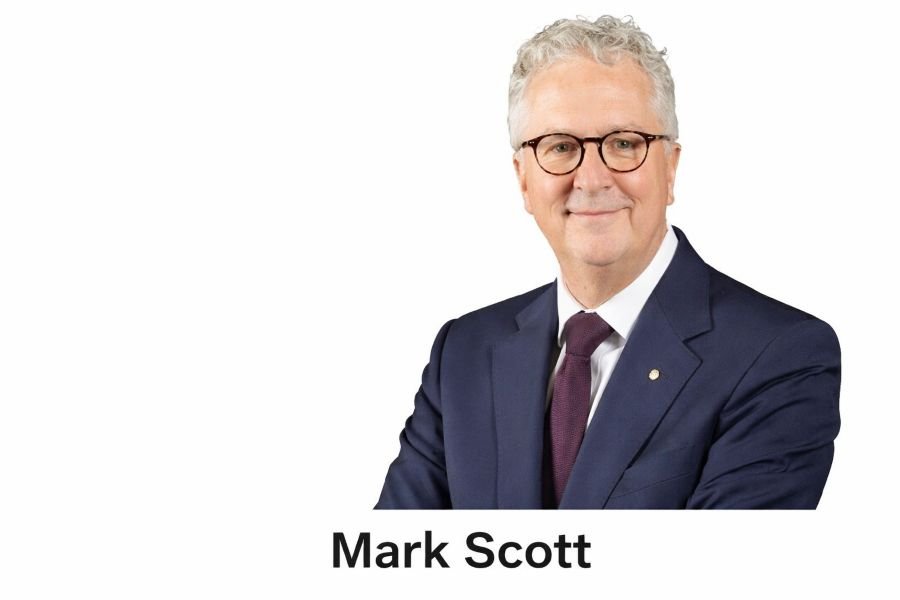
Mark Scott stands as one of the most influential figures in modern Australian leadership, known for his remarkable journey across education, media, and public service. As the Vice-chancellor of the University of Sydney, he carries the responsibility of guiding one of the world’s top universities through a rapidly changing global landscape. His story is not just about achievements but also about navigating complex challenges, making bold decisions, and shaping the future of education.
Over the years, Mark Scott has earned respect for his strategic thinking and ability to lead large institutions. At the same time, his leadership has not been free from criticism, especially during difficult public moments. This balance of success and scrutiny makes his biography both inspiring and deeply human, offering valuable insight into what it truly means to lead at the highest level.
Quick Bio
| Field | Details |
|---|---|
| Full Name | Mark Walter Scott |
| Date of Birth | 9 October 1962 |
| Age | 63 years (as of 2026) |
| Birthplace | Los Angeles, United States |
| Nationality | Australian |
| Profession | Academic leader, media executive |
| Current Role | Vice-chancellor of the University of Sydney |
| Education | University of Sydney, Harvard University |
| Spouse | Briony Scott |
| Known For | Leadership in media, education, public policy |
Early Life and Background
Mark Scott was born in Los Angeles but grew up in Australia, where his identity and career truly developed. His early life was shaped by an environment connected to public service and education, which influenced his thinking from a young age. Growing up in New South Wales, he was exposed to ideas of leadership, governance, and responsibility.
He attended Knox Grammar School, where he developed strong academic skills and a growing interest in communication and leadership. These early experiences laid the foundation for his future, giving him both confidence and direction. His upbringing played a quiet but powerful role in shaping the person he would become.
Education and Academic Development
Mark Scott pursued his higher education at the University of Sydney, where he completed a Bachelor of Arts, a Diploma of Education, and later a Master of Arts in political science. His academic journey reflects a strong interest in society, governance, and how institutions function.
To further strengthen his leadership knowledge, he studied at Harvard University, earning a Master of Public Administration. This international experience broadened his perspective and prepared him for roles that required both strategic thinking and global awareness. His education became a key pillar of his leadership style.
Early Career and First Steps
Mark Scott began his professional life as a teacher in Sydney. This experience gave him a direct understanding of education systems and the realities faced by students and educators. It also helped him develop empathy, communication skills, and a practical approach to leadership.
After teaching, he moved into government roles, working as a policy adviser and chief of staff to education ministers in New South Wales. These roles introduced him to policy-making and large-scale decision-making, marking the beginning of his rise into leadership positions.
Rise in Media and Journalism
Scott later transitioned into journalism, joining Fairfax Media where he quickly rose to senior editorial roles. He became Editor-in-Chief, overseeing major publications and influencing public discussion across Australia. This phase of his career sharpened his ability to communicate clearly and think critically.
His work in media was not just about reporting news but shaping conversations. He learned how to manage complex teams and deal with public pressure. These experiences proved essential in preparing him for even larger leadership roles in the future.
Leadership at the Australian Broadcasting Corporation
One of the most defining chapters of Mark Scott’s career came when he became Managing Director of the Australian Broadcasting Corporation. Over a decade in this role, he led the organization through major digital transformation.
He introduced new digital platforms and expanded the broadcaster’s reach to modern audiences. While his leadership brought innovation, it also came with challenges, including political scrutiny and financial pressures. This period tested his resilience and strengthened his leadership identity.
Role in Public Education Reform
After leaving the media sector, Scott returned to education as Secretary of the New South Wales Department of Education. In this role, he managed one of the largest education systems in the country, overseeing thousands of schools and teachers.
His work focused on improving outcomes, modernizing infrastructure, and strengthening teaching quality. This role reinforced his position as a leader capable of handling complex systems and delivering meaningful reform.
Vice-Chancellor of the University of Sydney
In 2021, Mark Scott became the Vice-chancellor of the University of Sydney, marking a new chapter in his career. His appointment was seen as both bold and unconventional, as he brought a non-traditional background into academic leadership.
As Vice-chancellor of the University of Sydney, he has focused on global competitiveness, research excellence, and student inclusion. His leadership reflects a vision of modern education that is innovative, inclusive, and globally connected. At the same time, he has had to navigate sensitive challenges within the university environment.
Leadership Style and Influence
Mark Scott is known for a leadership style that blends communication, strategy, and adaptability. His background in media gives him a unique ability to engage with the public and manage complex narratives.
He is also recognized for being thoughtful and reflective, often emphasizing the importance of values in leadership. His ability to move across sectors—education, media, and government—sets him apart as a modern leader who understands different systems.
Achievements and Recognition
Throughout his career, Mark Scott has received recognition for his contributions to media and education. One of his most notable honors is being appointed an Officer of the Order of Australia.
This recognition reflects his impact across multiple sectors and highlights his role in shaping modern institutions. His achievements are a testament to his dedication and long-term vision.
Challenges and Public Attention
Like many leaders, Mark Scott’s career has not been without challenges. His time in leadership roles has involved dealing with public criticism, policy debates, and institutional pressures.
In recent years, he has addressed complex issues within the university environment, showing accountability and a willingness to engage with difficult conversations. These moments reveal the demanding nature of leadership at his level.
Legacy and Long-Term Impact
Mark Scott’s legacy is still unfolding, but his influence is already clear. He has played a key role in transforming media, shaping education policy, and leading one of the world’s top universities.
His journey shows that leadership is not just about success but also about resilience, adaptability, and responsibility. As he continues his work, his impact on education and public life is expected to grow even further.
Conclusion
Mark Scott’s life is a powerful example of modern leadership in action. From teaching in classrooms to leading global institutions, his journey reflects ambition, adaptability, and courage. As Vice-chancellor of the University of Sydney, he continues to shape the future of education while facing the realities of leadership in a complex world.
His story reminds us that true leadership is not just about achievements but about how challenges are handled. With both success and criticism shaping his path, Mark Scott remains a compelling and influential figure in today’s world.
FAQ
1. Who is Mark Scott?
Mark Scott is an Australian academic leader and the Vice-chancellor of the University of Sydney.
2. What is Mark Scott known for?
He is known for leadership in media, public service, and higher education.
3. When did he become Vice-chancellor?
He became Vice-chancellor of the University of Sydney in 2021.
4. What was his role before joining the university?
He served as Managing Director of the Australian Broadcasting Corporation and later as Secretary of the NSW Department of Education.
5. Where did Mark Scott study?
He studied at the University of Sydney and Harvard University.
